Permanent Jewelry: The Complete Guide to Welded Bracelets
Introduction: a piece you never take off
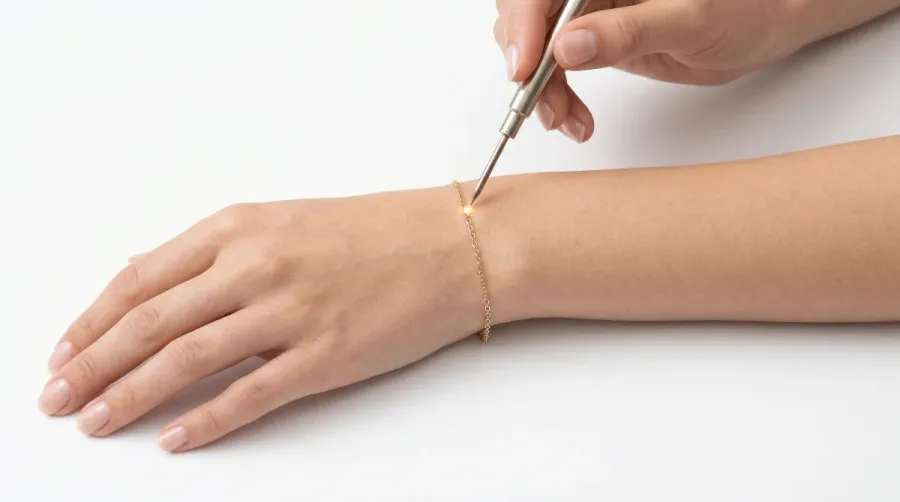
Picture a small studio in Brooklyn, or a pop-up event in Chicago's Wicker Park. A jeweler sits across from you holding a device no bigger than a pen. A fine gold chain is laid around your wrist, measured to the millimeter, and the two ends are held together over a tiny tab of protective film. A single pulse of light: no heat on your skin, no pain, and the ends are fused. No clasp. No way to remove it without wire cutters.
That is permanent jewelry: a welded piece made to your exact size, designed to stay on for years. The idea sits at the intersection of commitment, convenience, and quiet luxury. It is the kind of thing that sounds simple until you actually sit down for your appointment, and then it feels like a genuine moment.
The appeal is easy to understand once you have experienced it. Most people who wear everyday jewelry have lost a bracelet or two, forgotten a piece in a hotel room, or watched a cheap clasp fail at the worst possible moment. A welded chain removes all of that. It stays because it has no mechanism to fail, no clasp to catch on fabric, no jump ring to open under strain. It is the anti-losing jewelry.

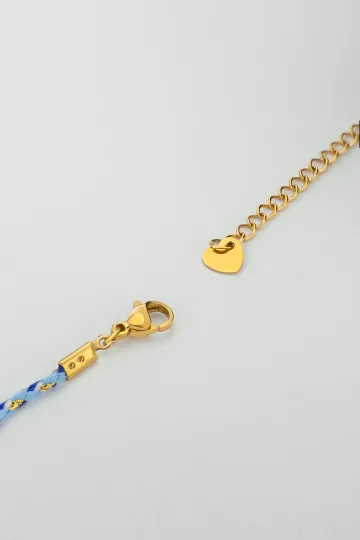
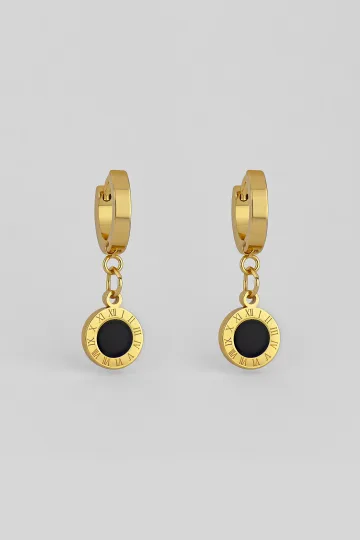
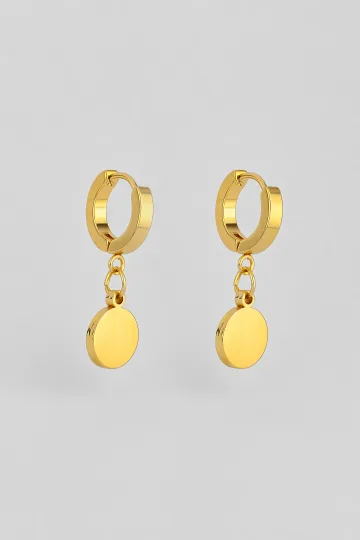
What is permanent jewelry
Technically, permanent jewelry is any piece, most often a bracelet, but sometimes a necklace, anklet, or finger ring, made to the wearer's precise measurement and then closed with a micro-weld directly on the body. There is no clasp, no jump ring, no mechanism of any kind. The chain becomes a seamless loop that sits against your skin like a second layer.
The process, step by step:
- You choose a chain design (usually 14K or 18K gold, occasionally sterling silver or gold fill)
- The jeweler measures your wrist or ankle
- The chain is trimmed to exact size, plus half an inch to an inch of ease (enough to fit one finger between the chain and the skin)
- The ends are overlapped on a small protective tab
- A pulse-arc welder or micro-flame closes the join in a fraction of a second
- No heat reaches the skin; most people describe a faint flicker of warmth, nothing more
- Done: the piece is on, and stays on
Time in the chair: 15 to 20 minutes per piece, typically by appointment. Group sessions for friends or couples are common; plan the same window per person.
Cost: tiered by metal. Sterling silver is the entry point (roughly a coffee and a pastry). Gold fill sits in the middle. 14K gold is premium (comparable to a nice dinner out). Thicker chains within each tier cost a bit more than ultra-fine ones.
The experience itself is a ritual, which is part of why people seek it out. You sit still, someone measures you, trims the chain, and closes it. The flash of light lasts less than a second. You look down and it is done. For many people, that moment carries more weight than they expected.
Where the trend came from: ancient traditions and a modern revival
The history of permanent jewelry is longer than the current moment suggests.
Ancient tradition: the unbroken circle as a vow
The idea of wearing jewelry without a clasp as a sign of commitment appears across cultures and centuries. In parts of the Middle East, fine gold chains closed without fastenings were worn for generations as a symbol of a marital vow. To remove the piece was, symbolically, to break the pledge. The same logic underpins the mangalsutra of South Asia, worn continuously from the wedding ceremony onward, through ordinary days and difficult ones alike. In Tibet, women traditionally receive silver bangles in childhood that remain for a lifetime. The principle is consistent across all of these traditions: no clasp means no way to absent-mindedly set the commitment down on a nightstand.
Similar ideas appear in pre-Columbian jewelry from Peru and Mexico, where continuous metal bands signified social standing and spiritual protection. The closed circle as symbol, with no beginning and no end, is one of the most persistent forms in human ornament.
The modern revival: Los Angeles and New York, 2017 to 2022
The contemporary form of welded jewelry emerged in small independent studios in Los Angeles around 2017 and 2018. A handful of jewelers began offering the weld as an intentional gesture, framing it as a ritual rather than a routine service. The idea was not just a bracelet but a moment: two people, one wrist, a decision that would show up every day.
By 2019, the concept had reached New York, where independent boutiques in SoHo, the Lower East Side, and Williamsburg began marketing it as the "forever bracelet." Social media amplified it rapidly, particularly on platforms where before-and-after content performed well. Watching a chain go from two loose ends to a seamless loop on someone's wrist is genuinely satisfying to watch.
The pandemic of 2020 and 2021, unexpectedly, intensified the trend. People spending more time at home re-examined their relationships with objects. A piece that stays with you always, that you do not take off for the night and put back on in the morning, became a metaphor for steadiness in uncertain times. When studios reopened, permanent jewelry was among the first appointment-based services to see strong demand.
In 2021 and 2022, independent studios offering permanent welding opened across the country, from Atlanta to Seattle, and the format crossed the Atlantic to London, Paris, Berlin, Milan, and Madrid. By 2026, it has settled into a standard service within the independent jewelry market.
The US market in 2026
In the United States, permanent jewelry is now available in every major city and most mid-size markets. Urban concentrations in New York, Los Angeles, Chicago, Austin, and Nashville tend to have the most options, but the service has spread well beyond those hubs. Pop-up welding events at boutiques and markets have become a reliable format for reaching customers in smaller markets or introducing the concept to people who would not seek out a dedicated studio.
The demographic has broadened significantly. What began as something seen predominantly in younger women has expanded to include couples, men, mothers and daughters, and people marking professional or personal milestones at any age.
The technology: how it actually works
Pulse arc welding
The principal method used by professional permanent jewelry studios. The machine delivers a brief electrical discharge between two tungsten electrodes. The discharge fuses the two ends of the chain at the point of contact in milliseconds. This is welding, not soldering: the metal itself is joined, not bonded with an intermediary material. The same underlying principle governs how fine jewelry is constructed in manufacturing settings, only here it is carried out at a small studio counter rather than in a workshop. The result is a join as strong as the rest of the chain.
The key advantage over soldering: no solder, no flux, no sustained heat near the skin. The jeweler places a small protective film between the weld point and the wrist before the pulse. You see a flash, you might feel a faint warmth lasting a fraction of a second. That is all. The thermal event is genuinely brief and genuinely contained.
A good pulse arc machine allows the jeweler to dial in the right energy level for the specific chain gauge and metal. A heavier chain in 14K gold needs a different setting than a delicate 1 mm chain in sterling. This calibration is part of the skill.
Micro-flame
An alternative method used by some studios. A small gas flame tip brings the metal ends to joining temperature through sustained heat rather than a single pulse. It requires more care from the jeweler, since the heat is higher and the contact time is longer. In skilled hands it works well, but pulse arc is generally considered more precise and consistent, particularly for very fine chains where heat control matters most.
Why not ordinary soldering
Soldering uses lower temperatures and a filler metal, typically a silver or gold alloy with a lower melting point than the chain itself. For permanent jewelry, this produces a weaker join that can open over time, and leaves a slightly visible excess of filler metal at the seam. Pulse arc welding gives a clean, near-invisible join and a bond that matches the strength of the original chain. Under magnification the weld point is almost indistinguishable from the surrounding links.
Metals: what welds, what does not
What works well
Sterling silver 925. The standard for the entry-level permanent jewelry market. Welds cleanly, accessible price point. Its weakness: silver oxidizes with sweat and skin oils and develops a patina over time. For permanent wear it needs regular cleaning with a soft cloth. It is a good choice for someone wanting to try the format without a large financial commitment, or for a piece that will be updated with a different metal in a year or two.
14K gold (585 fineness). The most popular choice in American permanent jewelry studios. Hard enough for daily wear, hypoallergenic, resistant to tarnish. Welds cleanly. Available in yellow, white, and rose. The best balance of durability and price for most people.
18K gold (750 fineness). A richer yellow tone, slightly softer, more expensive. A good choice when the color and warmth of gold matter most. Slightly more susceptible to wear than 14K due to lower alloy hardness, but the difference in practical terms is minor for a chain worn at the wrist.
Gold fill. A middle ground between silver and solid gold. A thick layer of 14K gold bonded to a brass core, significantly more durable than gold plating, which wears through within months. Gold fill looks like gold, welds well, and costs considerably less than solid gold. The caveat: if the surface is damaged or the piece is subjected to heavy abrasion over years, the brass core can show at the affected spot.
Surgical steel 316L. Maximally hypoallergenic, rust-proof, and tolerates water very well. Less common in permanent jewelry because welding it requires more powerful equipment than gold or silver. Not all studios offer it, but when done correctly it is an excellent material for active people who swim frequently or have known metal sensitivities.
What does not work
Gold plating (standard or vermeil). A thin gold layer over a base metal. Two problems: the coating burns away at the weld point, leaving an unprotected seam; and the piece will lose its plating at the friction points within weeks to months of permanent wear. Not suitable for this format.
Titanium. An excellent jewelry material in other contexts, but welding titanium requires specialist equipment with an inert argon atmosphere. This is not available in standard permanent jewelry studios. If a studio advertises titanium permanent jewelry without explaining their setup, ask exactly what method they use.
Silver below 925 fineness. Lower grades weld less cleanly and tarnish more readily. Stick to 925.
Types of permanent jewelry
Wrist bracelet
By far the most popular format. A fine chain at the wrist, no clasp. The fit rule: circumference plus half an inch to an inch of ease, enough to pass one finger comfortably between the chain and the skin. The jeweler will check this fit before welding. Most people find a bracelet sits at a natural position on the wrist and quickly stops registering as a distinct sensation, becoming simply part of the background of the hand.
Chain gauge matters. Ultra-fine chains at 0.8 to 1 mm are the most delicate and the most prone to snagging on textured fabrics. Chains in the 1.2 to 1.5 mm range offer a better balance of delicacy and durability for daily wear. Chains at 1.5 to 2 mm are visually more substantial and particularly well-suited for male wrists.
Anklet
Second most requested. Light and barely visible under jeans or trousers, anklets are particularly popular in summer when they can be seen. They handle water contact well with the right metal, though the ankle requires a bit more attention to hygiene given its proximity to footwear. An anklet often stays on longer than a wrist bracelet in people's experience, because it is simply less visible and less likely to prompt daily awareness of the piece.
Necklace
The most technically demanding, because the length determines permanently how the piece sits on the chest. Usually done as a delicate choker or collarbone-length chain. Measurement needs to be precise, since there is no adjusting it afterward without removing the piece. Many people start with a wrist bracelet and add a necklace once they are confident in the studio and the format.
Finger ring
Rare, for anatomical reasons. Fingers change circumference with temperature, time of day, fluid intake, and weight fluctuations. A ring welded in the morning may feel loose by evening, or tight after a salty meal. The ring finger and index finger are relatively stable, but the thumb in particular changes diameter significantly. When permanent rings are made, they are usually sized with a small margin to accommodate most conditions. The format works best on someone whose ring size is very stable.
The meaning of the bond: who gets permanent jewelry and why
Friendship
A group of friends books a single session and leaves with matching chains on their wrists. It is quieter than a tattoo and more permanent than a woven bracelet or a friendship ring that you can set aside. The piece carries a specific and unrepeatable meaning: we were here together on this particular day and chose to do this. Every time you glance at your wrist, that moment is present.
The friendship bracelet scenario is one of the most common in American studios. Groups of two to six people are standard. Bachelorette parties have adopted it as an alternative to the disposable-sash-and-tiara format, with the welded bracelet serving as a lasting physical reminder of the occasion.
Couples
One of the most frequently cited reasons people seek out permanent jewelry. Two people come to the same appointment, and both are welded with matching or complementary chains. Unlike a ring, the bracelet cannot be slipped off during a difficult moment and quietly replaced afterward. That quality, the fact that it is inconvenient to remove, gives it a different kind of weight in a relationship. It is not a statement made once at an altar; it is a statement that shows up every morning when you glance down at your wrist.
Couples increasingly choose the bracelet as an alternative or supplement to traditional rings, particularly people who cannot wear rings due to their work (medical, culinary, construction) or people for whom the ring symbolism does not resonate.
Self-commitment
Many people mark personal milestones with permanent jewelry: a year of recovery from illness or addiction, a move to a new city, the completion of a graduate degree, the end of a difficult chapter. The bracelet on the wrist is a private reminder of a decision, not a public declaration. It does not need to be explained to anyone. For some people, that privacy is the point.
Mother and daughter
Family sets are a growing category in the United States. The same chain, welded on the same day, on a mother and daughter. Sometimes three generations. A piece that cannot be accidentally lost or left in a drawer carries a different kind of staying power than an heirloom that might be stored away or rarely worn.
Marking travel
People often get permanent jewelry while traveling, treating the piece as a souvenir of a specific place and time. Unlike an object that sits on a shelf, a welded bracelet comes home with you every day and keeps the memory physically present. Studios in destination cities, particularly in New York, Los Angeles, and cities with active tourist markets, see significant business from visitors.
How long does it last
With appropriate care and a quality metal, permanent jewelry can last years. The most common reports from people with 14K gold pieces are in the three to seven year range before any maintenance is needed, with many pieces lasting longer.
What shortens the lifespan:
- Regular swimming in chlorinated pools (chlorine degrades silver and gradually affects gold fill)
- Contact sports, heavy lifting with barbells, or activities involving hard impact at the wrist
- Ultra-fine chains in the 0.8 to 1 mm range break more readily than 1.5 mm chains
- Sterling silver tarnishes with regular sweat exposure and requires more active maintenance
- Consistent exposure to harsh chemical cleaners or bleach
What extends it:
- 14K or 18K solid gold
- Chain gauge of 1.2 to 1.5 mm or heavier
- Removing the piece for contact sports and heavy lifting (a jeweler can re-weld afterward)
- Wiping with a soft cloth once a week
- Rinsing with fresh water after swimming in the sea
A good permanent jewelry piece is designed to outlast its occasion. The bracelet put on to mark a friendship, a birthday, or a personal milestone often still looks clean and intact years later, which is part of what gives it meaning.
Care for permanent jewelry
A piece that never comes off still needs regular, uncomplicated attention.
Daily: shower water rinses the chain as you wash. Strong chemical shampoos and conditioners can affect silver's finish over time; for gold, this is less of a concern. Body lotion applied directly to the chain can dull the surface slightly, so wipe the chain afterward with a dry cloth when possible.
Weekly: a soft, lint-free cloth. Wipe the chain gently and allow it to dry completely. Pay particular attention to the area at the weld point and any decorative elements.
Swimming pools: chlorine degrades silver and, over time, affects the surface layer of gold fill. 14K gold and surgical steel handle pool swimming well. If you swim laps regularly, either choose your metal accordingly or remove the piece for those sessions.
The sea and open water: salt water is less aggressive than chlorine but still accelerates wear with consistent exposure. Rinse with fresh water afterward.
MRI scans: always remove before an MRI. The magnetic field of the scanner can heat metallic objects and cause burns. Any radiologist will require you to remove all metallic items, and permanent jewelry is no exception. A jeweler can cut the piece in under a minute; re-welding takes the same time afterward.
Gym and sport: yoga, walking, and light cardio are fine. Contact sports, heavy barbell work, rock climbing, or anything involving hard impact or sustained friction at the wrist: remove the piece for those sessions. The chain can catch on gym equipment or be flattened under a barbell.
Pregnancy: wrists and ankles can swell significantly in the third trimester. It is worth removing the piece before swelling becomes uncomfortable. After delivery, re-welding is straightforward.
How to remove it
Permanent jewelry is designed to stay, but life sometimes calls for removal: planned surgery, an MRI, pregnancy, a significant change in body size, or simply a change of mind.
Wire cutters or jewelry snips. Any jeweler can do this in under a minute. The chain is cut at or near the weld join and the loop opens. The cut piece can usually be re-welded afterward if the chain links are intact.
The original studio. Most permanent jewelry studios will remove and re-weld the same piece at no charge or for a minimal fee (roughly the price of a coffee). If you are near the original studio, this is the cleanest option.
After removal: if the chain is intact, it can be re-welded by any competent jeweler with the right equipment. A jeweler can also add a small clasp so that it functions as a conventional bracelet. Many people choose this route when the piece is meaningful but the decision to wear it permanently has passed, allowing the piece to continue as a normal bracelet they can put on or take off at will.
Why people choose permanent jewelry
Several distinct reasons bring people to the appointment.
Commitment
The primary symbolism. Choosing to wear something with no easy removal mechanism is a small but meaningful act of commitment. For a couple, it is a daily affirmation. For a solo wearer marking a personal milestone, it is a physical anchor. For a group of friends, it is a shared decision that cannot be undone by an off day. The piece asks you, gently, to mean what you decided.
Practical convenience
No morning ritual of fastening a bracelet. No clasp to fumble with. No piece lost because you set it on the bathroom counter and forgot it. No moment of panic reaching for a gift you have not seen in three weeks. The bracelet is simply there, every day, without effort. People who habitually lose jewelry or forget to put it back on find this quality genuinely useful.
Aesthetic of quiet presence
A fine chain that stays on becomes background rather than accessory. It reads as part of the hand, part of the wrist, rather than as a deliberate daily choice. This is close to the spirit of quiet luxury: a piece that speaks to those who notice and says nothing to those who do not. It works with a business suit, with gym clothes, with a formal dress, without requiring adjustment or justification.
The moment itself
Many people are as interested in the experience as in the object. Sitting for a permanent jewelry appointment, having someone measure your wrist, watching the chain close in a flash of light, is an experience with a beginning, a middle, and an end. It is a small ritual in a world with fewer of them. People who have done it frequently describe the appointment as more memorable than they expected.
Memory of a place or time
A permanent bracelet made while traveling to a city you love, or on the day of a significant event, carries that moment forward in physical form. Unlike a photograph, it is always present. Unlike a memento in a drawer, it is always visible. People who have marked a vacation, a reunion, or a personal transition with permanent jewelry often say the piece keeps the memory active in a way that other souvenirs do not.
Drawbacks: an honest account
Adjustment period. The first week with a permanent bracelet, you are always slightly aware of it: falling asleep, washing dishes, typing. The brain adapts within one to two weeks for most people. After a month, the vast majority report they no longer register the piece consciously.
MRI situations. If you need an MRI, the piece must come off first. This is manageable but worth knowing before you commit.
Snagging. Fine chains can catch on knit fabrics, lace, or heavily textured materials. A chain of 1.5 mm or more reduces this substantially. Very fine chains, below 1 mm, are the most prone.
Body changes. Significant weight gain or loss can make a bracelet uncomfortably tight or loose. Pregnancy reliably causes wrist and ankle swelling. In these cases, the piece needs to come off and be re-sized before re-welding.
Accumulated cost over time. Each removal plus re-weld at a studio adds a small cost. Over several years and multiple sessions, this can add up, though each individual visit is modest.
Studio selection matters. A poorly executed weld breaks within days. This is not a health risk, but it is money spent and trust lost. Choosing a studio with clear reviews and demonstrable work quality is worth the research.
Hygiene in summer. Under a fine chain at the wrist, sweat and products accumulate, particularly in hot weather. Regular wiping with a soft cloth handles this, but it requires more attention in warm months.
Permanent jewelry and body changes over time
One of the most practical questions about permanent jewelry is what happens as your body changes. The short answer is that most changes are manageable, and the piece can be adjusted.
Weight fluctuation. Minor weight changes, a few pounds up or down, generally have no effect on a wrist bracelet. More substantial changes, say fifteen pounds or more depending on your build, can shift the fit noticeably. If a bracelet becomes uncomfortably tight, it should be removed before it starts to feel like it is cutting circulation. Any jeweler can cut and re-weld at a new length.
Seasonal changes. Hands and feet can swell slightly in heat and reduce in cold. This is normal physiology and usually does not affect a well-fitted bracelet. The one-finger rule of thumb (enough room to pass one finger between chain and skin) is designed to accommodate ordinary daily variation.
Athletic changes. Sustained weight training can build forearm muscle and increase wrist circumference over months. People who train seriously often notice a bracelet that fit loosely becoming snug over a year. If this happens, address it before it becomes genuinely uncomfortable.
Aging. Skin changes over decades. Loose skin at the wrist in older adults can cause a bracelet to migrate more than it did when fitted. Most people find this is not an issue in practice, but it is worth noting.
The practical upshot: permanent jewelry is not as inflexible as the name implies. Life changes, and the piece can be adjusted to match.
Permanent jewelry and workplace environments
Not everyone can wear jewelry at work, and some workplaces have specific restrictions that affect a welded bracelet.
Healthcare. Many hospitals and clinical environments require staff to keep wrists bare below the elbow as part of infection control protocols. If you work in such an environment, a wrist bracelet is not compatible with your work requirements. An anklet is a practical alternative, or the bracelet comes off before shifts and gets re-welded periodically.
Food service. Commercial kitchens often prohibit jewelry, including bracelets, for hygiene and safety reasons. Some chefs keep an anklet instead.
Manufacturing and construction. Loose jewelry around machinery is a genuine safety hazard. A fine chain can catch on moving parts. If you work around heavy equipment, keep the bracelet for life outside work hours.
Office work. Standard office environments, including those with computer use and meetings, have no conflict with a wrist bracelet. The chain is small enough not to scratch surfaces.
Creative and client-facing roles. Many people in design, fashion, art, and similar fields find permanent jewelry fits naturally into their professional aesthetic.
The key point: if your workplace prohibits wrist jewelry, an anklet gives you the same experience without the conflict. Studios routinely see people who choose the ankle precisely for this reason.
Layering and combining with existing jewelry
Permanent jewelry does not exist in isolation. Most people who get a welded piece already own other jewelry, and the question of how the two relate is worth considering.
A permanent bracelet at the wrist pairs well with other bracelets worn on the same or opposite wrist, as long as there is no sustained friction between a hard bracelet and the fine chain. Hard metal cuffs worn directly against a thin welded chain can abrade the chain over time. Softer fabrics or wearing them on separate wrists avoids this.
For necklaces, a welded choker or collarbone chain can be layered with conventional pendant necklaces. Because the permanent chain has no clasp and sits close to the neck, it functions as a clean base layer that other pieces can float above.
People who already wear a ring on the finger they would have welded are often surprised to find the permanent bracelet at the wrist more interesting anyway. The wrist and ankle are less encumbered by existing conventional jewelry, making them natural places for the permanent format.
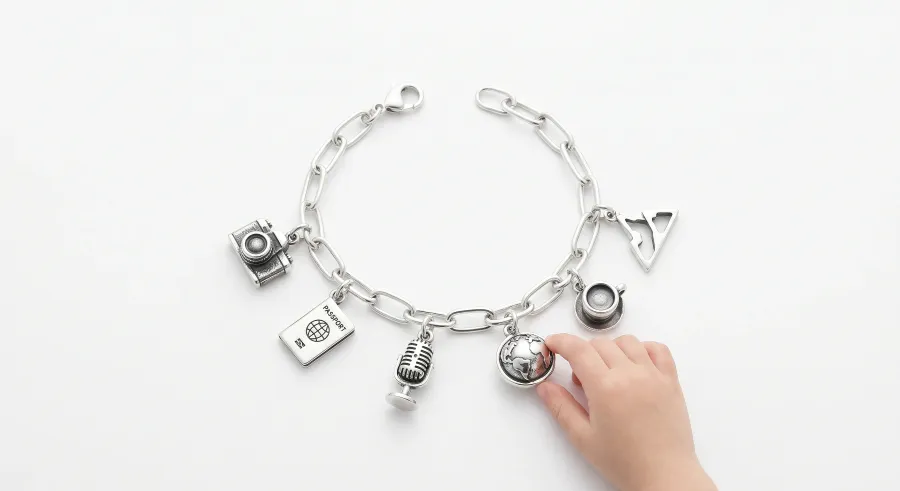
Adding charms or pendants to an existing welded chain is possible. The pendant is threaded onto the chain before welding, or attached via a small jump ring at the weld point afterward. This is a practical way to personalize an already-welded piece or to add meaning at a later date.
Chain styles: what to choose and why it matters
The chain is not just a technical element. It defines the look, feel, and longevity of the piece, and choosing the right style for your lifestyle takes a few minutes of thought.
Cable chain. The classic, with round or oval links connected in a flat plane. Clean, versatile, the most common choice for permanent jewelry. Works at every gauge from 0.8 mm to 2 mm. Easy to clean, easy to see the weld point on, and the most widely available option in studio settings.
Figaro chain. Alternating link sizes, usually two or three small links followed by one longer link. More visual texture than a cable chain. Slightly more complex to weld cleanly because the pattern needs to be respected at the weld point.
Singapore chain. Twisted links that catch light from multiple angles, giving a sparkle effect even in a thin gauge. Popular for people who want maximum light reflection from a delicate chain.
Box chain. Square links connected in sequence. A clean, geometric look. Slightly stiffer in feel than cable chain. Holds its shape well and is one of the more durable options at finer gauges.
Curb chain. Twisted oval links lying flat. Substantial and slightly heavier in appearance. Often chosen for male wrists or for people who want a bolder look without going to a thick gauge.
Rolo chain. Rounded links of equal size. A softer, rounder visual than cable chain. Comfortable against the skin at the wrist.
Paperclip chain. Elongated oval links. A more contemporary aesthetic that has become increasingly popular since around 2022. Looks best at medium gauges of 1.5 to 2 mm.
Most studios carry three to five chain options in each metal. If you have a specific style in mind, call ahead to confirm availability. Some studios will source a chain for a client if it is not in their standard inventory.
The environmental and ethical dimension
For many jewelry buyers in 2026, the provenance and production ethics of their jewelry matter. Permanent jewelry engages a few relevant questions.
Metal sourcing. Gold and silver have complex supply chains. The difference between certified responsibly mined gold and uncertified material can be significant. When choosing a studio, it is fair to ask whether they work with certified materials. Studios that can answer the question clearly tend to be more professionally run across the board.
Longevity versus fast fashion. A welded bracelet worn for five or seven years before any maintenance represents a very different ecological footprint from the cycle of buying inexpensive jewelry, discarding it when it breaks, and replacing it. The upfront investment in a quality metal is offset by the absence of a replacement cycle. From this perspective, permanent jewelry aligns with a slower, more considered approach to personal adornment.
Local studios versus online. Most permanent jewelry is done at local independent studios, which means the purchase directly supports a small business in your community. There is no equivalent online permanent jewelry service: the weld requires your presence.
Recycled gold and silver. Some studios work with recycled or reclaimed precious metals. If this matters to you, ask when booking.
FAQ
Does it hurt?
No. The welder does not touch your skin. A protective film sits between the weld point and your wrist. Most people describe a brief flicker of warmth lasting a fraction of a second, nothing more. Some people report they cannot feel anything at all.
What does it cost?
Tiered by metal. Sterling silver is the most accessible entry point (roughly a coffee and a pastry). Gold fill sits in the middle range. 14K gold is comparable to a dinner out for two. Thicker chains cost a bit more than ultra-fine ones within each tier. Studio location also affects pricing, with urban studios in New York and Los Angeles typically at the higher end.
What if I change my mind?
Any jeweler can remove it in under a minute with wire cutters or snips. You can then have a clasp added and wear it as a conventional bracelet, or have it re-welded when you decide you want it permanent again. There is no commitment to permanence once you walk out the door, despite the name.
Will it trigger airport security?
No. The quantity of metal is too small for standard scanners. In rare cases during enhanced secondary screening, a brief explanation is all that is needed. This has not been a reported issue in practice.
Can men wear permanent jewelry?
Absolutely. Wider chains in the 1.5 to 2 mm range work particularly well on male wrists. Couples being welded at the same appointment is one of the most common scenarios across all American studios. There is nothing gendered about the format beyond historical marketing assumptions.
Can I shower, swim, and exercise in it?
Shower: yes, without any issue. Open water and the sea: fine for 14K gold and surgical steel. Chlorinated pools: occasional exposure is manageable, but regular lap swimming accelerates wear, particularly for silver. Contact sports and heavy lifting: remove for those sessions to protect both the piece and your wrist.
What about metal allergies?
14K gold is hypoallergenic for most people. Nickel sensitivity can be triggered by lower-quality alloys or gold-plated pieces. Permanent jewelry studios work with solid gold or silver for exactly this reason. If you have a known nickel allergy, confirm the exact alloy composition with your studio before booking.
Is it suitable for children?
From early adolescence upward, roughly twelve to fourteen, with parental awareness of how quickly wrists and ankles grow. A bracelet fitted at ten may be uncomfortably tight at twelve. For younger children, a conventional bracelet is a better choice.
What happens to a couple's bracelet if the relationship ends?
The same wire cutters that remove any other permanent bracelet remove this one. It is a difficult moment, but not a permanent problem. Some people have the chain set into a pendant afterward, reframing the piece rather than discarding it. Others have it removed and re-welded as a solo piece without the association of the relationship.
What is the difference from an ordinary bracelet?
Only the absence of a clasp. The chain, the metal, and the price point are comparable to any fine chain bracelet. The entire difference lies in the concept of permanence, and the experience of having it put on as a deliberate act rather than dropped into a jewelry box at the end of the day.
How do I find a good studio?
Look for studios that clearly display their metal certifications, show before-and-after work photos, explain their welding method, and offer at least a 30-day guarantee on the weld. Reviews that mention specific details about the experience, rather than generic positive language, are more reliable indicators of quality. If you cannot find a dedicated permanent jewelry studio, many fine jewelry stores with bench jewelers have added pulse arc welders to their services.
Conclusion
Permanent jewelry is a straightforward idea with a specific quality that most forms of accessorizing lack: you chose this piece, and then you chose to keep it, every day, without the option to absent-mindedly remove it when the mood passes. That commitment, whether to a person, a moment, or a version of yourself you want to hold onto, is what gives a fine gold chain its particular weight when it has been welded rather than clasped.
If you are curious, start with one wrist bracelet. A year from now you will know whether the sensation of permanence suits you. If it does, you can add to it. If it does not, a pair of snips and a minute of a jeweler's time is all it takes.
Silver, gold, wedding bands, symbolic pieces, and couples' sets.
About Zevira
Zevira makes jewelry by hand in Albacete, Spain. We do not offer an in-studio welding service, but we produce chains specifically suited to permanent installation by specialist studios.
From our range for permanent jewelry:
- Fine 14K gold chains suitable for welding
- Sterling silver 925 chains for studios that work with silver
- Couples' chains for simultaneous installation
- Pendants and charms to add to an already-welded chain
- Advice on choosing the right chain before your studio appointment
Every piece is made by hand, with the option of personal engraving. We work with sterling silver 925 and 14-18K gold.